

Skin Pigmentation
Pigmentation appears in different forms and is caused by sun damage, hormonal changes and skin trauma.

Skin Pigmentation: What Is It?
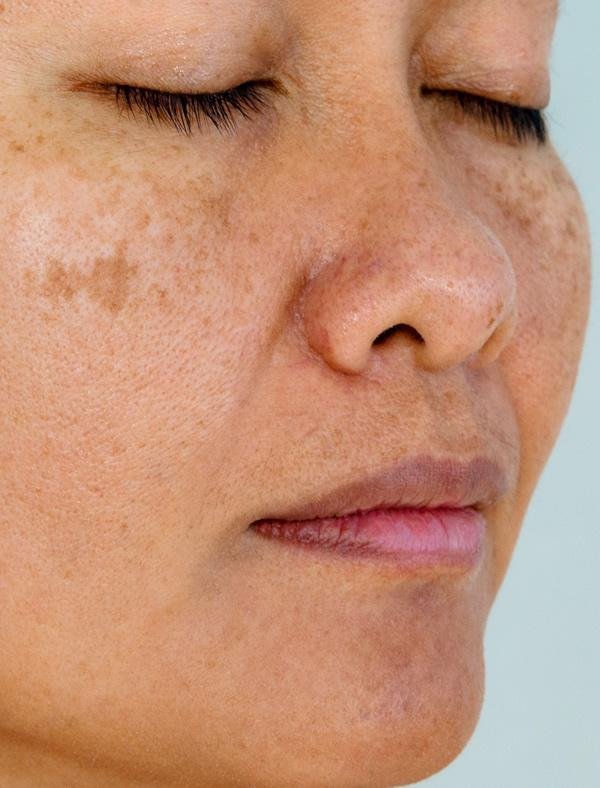
Skin pigmentation (also called hyperpigmentation) happens when your skin produces too much melanin in certain areas. This leads to flat, darker patches that can range from light brown to deep brown/black, and they can vary in size, shape, and location.
Pigmentation can show up gradually, suddenly, or after inflammation or injury. And yes, it’s common. Annoyingly common.
Why Does Skin Pigmentation Happen?
Melanin is the pigment that gives skin its colour. It’s made by cells called melanocytes. When melanocytes become overactive, melanin builds up unevenly and causes darker patches.
There are lots of triggers, but these are the most common types we see:
Pigment Spots (Age Spots / Sun Spots)
These are usually caused by sun exposure over time. They often appear on areas that get the most UV exposure, including:
- Face
- Hands
- Arms
They’re typically small, dark patches that become more noticeable with age.
Melasma (Chloasma)
Often called the “mask of pregnancy,” melasma is driven by hormones and is especially common during:
- Pregnancy
- Use of hormonal contraception
- Hormonal changes and sun exposure combined
It causes larger, uneven patches, most commonly on the face, and can be stubborn without the right treatment plan.
Freckles
Freckles are often genetic, but they become more noticeable with sun exposure. They’re your skin’s way of responding to UV, and usually appear on the:
- Face
- Shoulders
- Arms
Post-Inflammatory Hyperpigmentation (PIH)
This is pigmentation left behind after inflammation or skin trauma, such as:
- Acne
- Burns
- Cuts
- Certain cosmetic treatments (e.g. peels, dermabrasion, some laser treatments)
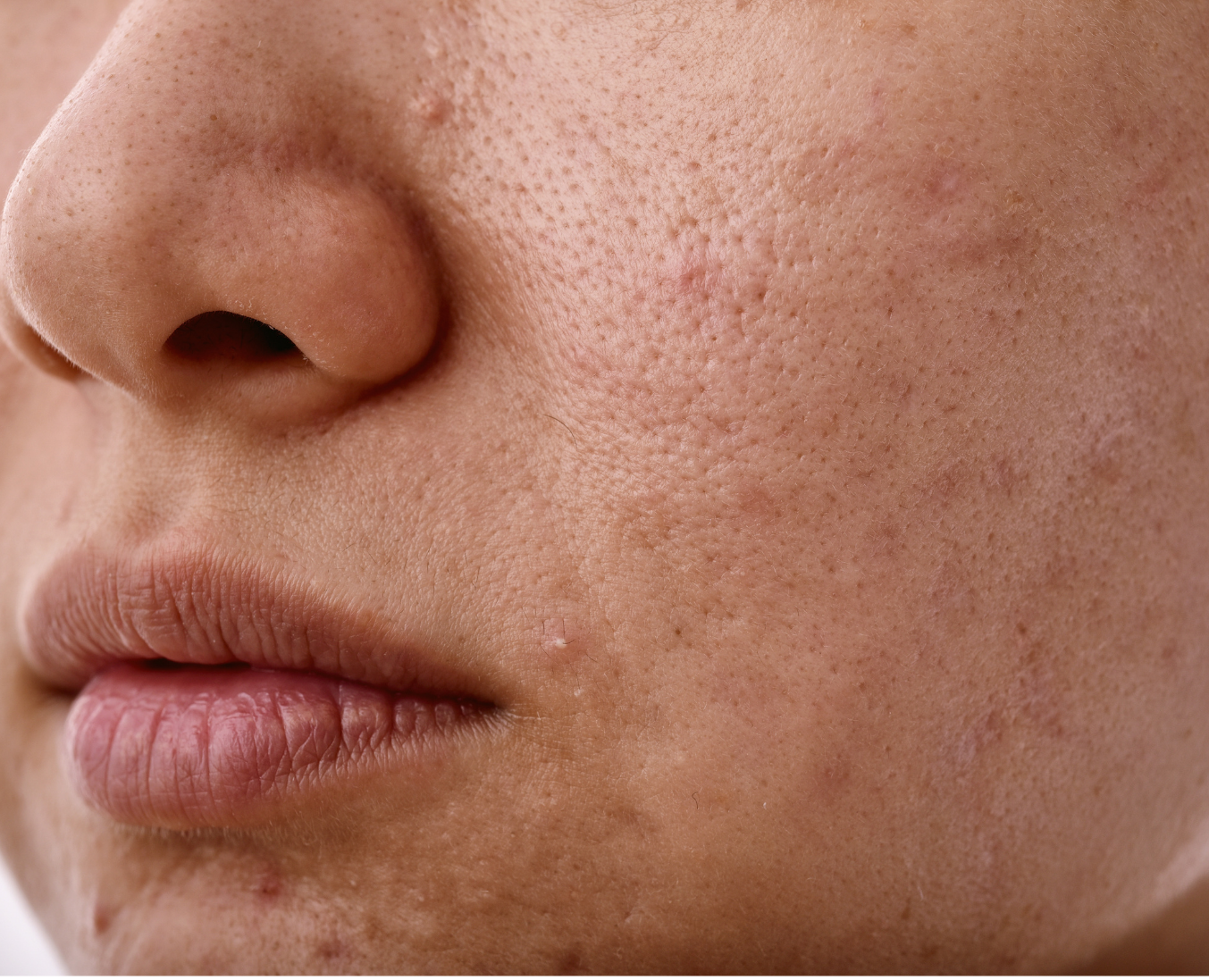
It appears as flat discolouration after the skin heals, and is especially common in acne-prone skin.