

Hair Loss & Thinning
Hair is an emotional issue — never more so than when you are (or think you may be) losing it. If you are experiencing any form of hair loss, know that you are not alone. Hair loss can happen to/any woman or man, at any age.

Understanding Thinning Hair and Hair Loss
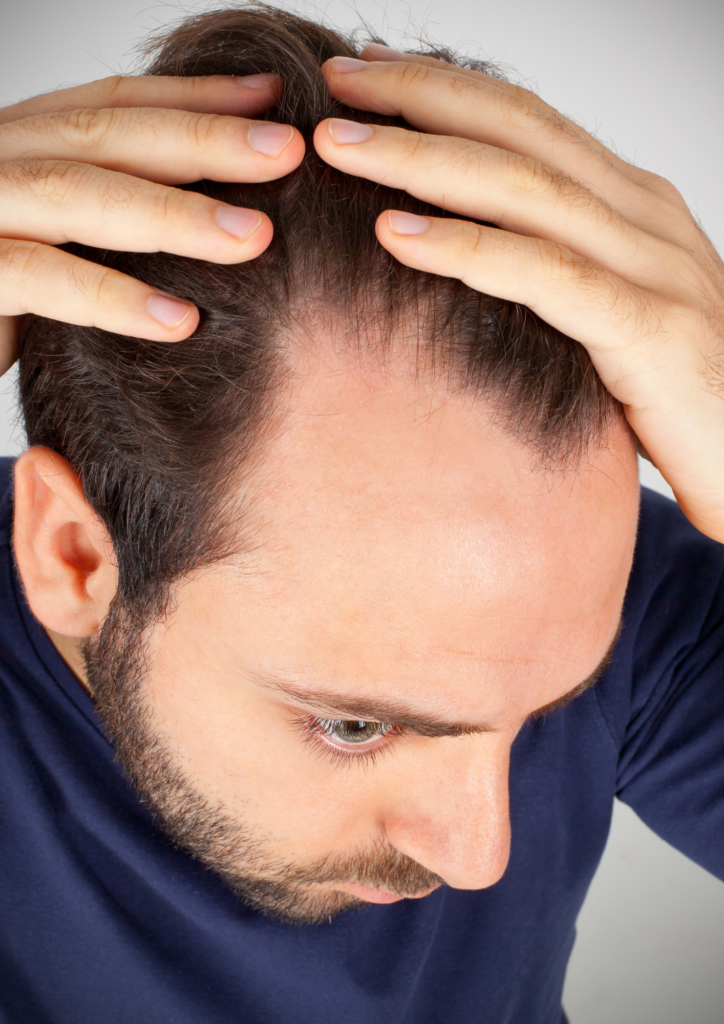
Thinning hair and hair loss can develop for many different reasons, including hormonal changes, genetics, inflammation, and certain medical conditions such as frontal fibrosing alopecia. Whatever the cause, changes in hair density can affect confidence and, over time, may become more noticeable if left untreated.
At Sci-U, we understand how upsetting hair loss can feel. The good news is that there are treatment options available, and in many cases, early support can help manage thinning, improve scalp health, and encourage stronger, healthier-looking hair.
Hair loss is often seen as a concern that mainly affects men, but it also affects a significant number of women. In women, it more commonly presents as overall thinning rather than complete baldness, and the causes can vary from hormonal imbalance and inflammation to female pattern hair loss and other underlying factors.
The Hair Growth Cycle
To understand hair thinning, it helps to understand how the hair growth cycle works. Hair naturally grows and sheds in three main stages:
Anagen phase
This is the active growth stage, during which the hair is attached to the follicle and continues to grow. This phase can last anywhere from two to eight years.
Catagen phase
This is a short transitional stage that lasts around two to three weeks. During this phase, the hair stops growing and begins to detach from its blood supply.
Telogen phase
This is the resting and shedding stage. The hair is released from the follicle, and after shedding, the follicle remains dormant for around three months before a new hair begins to grow.
When Hair Loss May Be a Concern
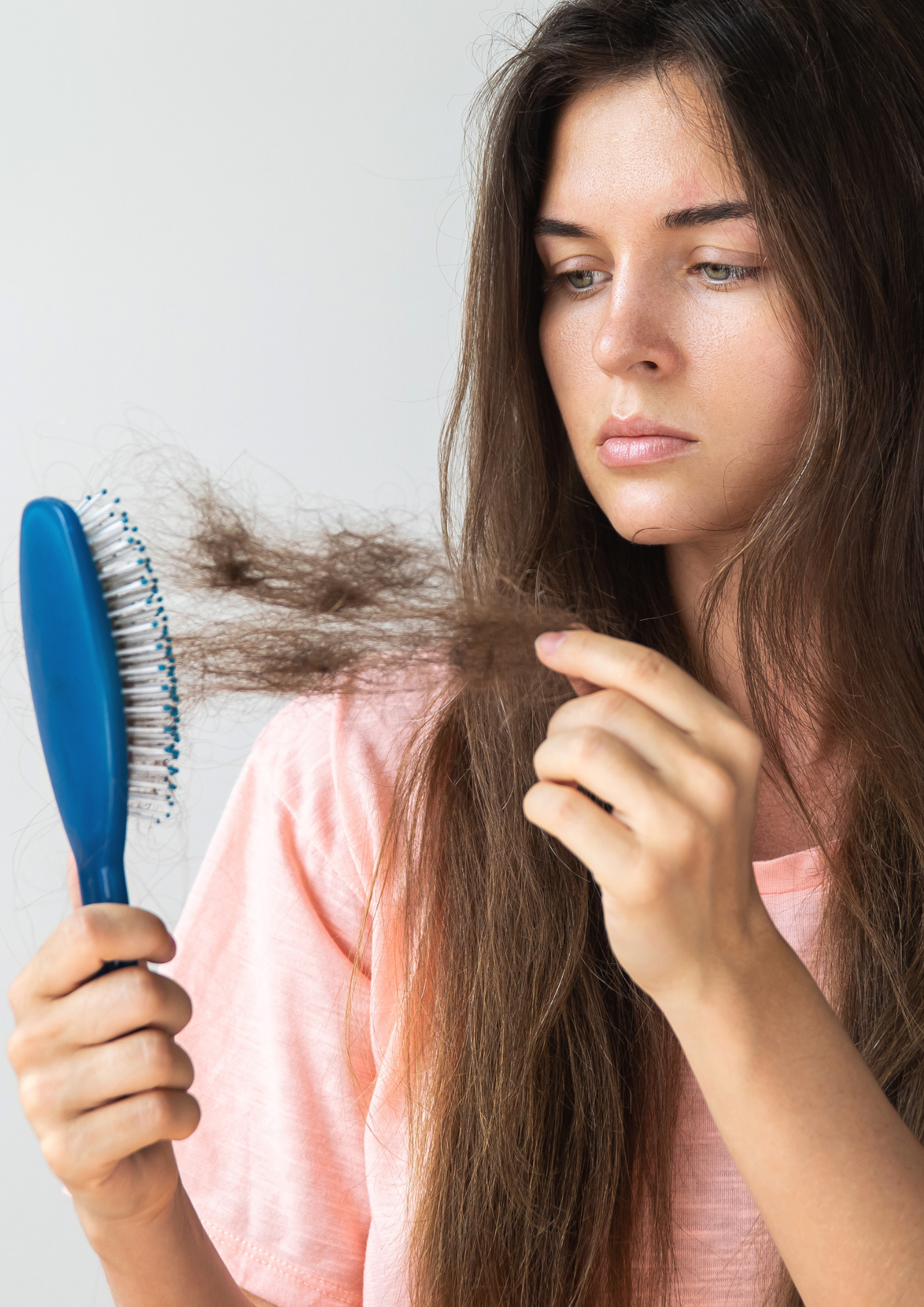
Some hair shedding is completely normal and happens as part of the natural growth cycle. However, if you begin to notice more hair falling out than usual, visible thinning, excessive shedding when brushing or washing, or patches where the hair feels less dense, it may be a sign that something deeper is affecting the hair growth cycle.
The first step is understanding what may be happening inside the body and scalp to trigger this change. In some cases, hair loss may be linked to inflammation, stress, hormonal shifts, genetics, or an underlying health issue.
Treatment and Support at Sci-U
Many forms of hair thinning can be managed, and in some cases improved, with the right treatment plan. Where regrowth is possible, early intervention often offers the best chance of success. Where reversal is limited, there are still advanced treatment options available to help improve the appearance, condition, and overall health of the hair and scalp.
At Sci-U, we offer a range of treatments designed to support clients experiencing thinning hair and hair loss, with a personalised approach based on the underlying cause and individual concerns.
Treatments Include:
- PRP
- Scalp Exosome
- Scalp Mesotox
- Scalp Growth Factor
- Hair Filler
- RF Microneedline
- Hydrafacial for scalp treatments with Hydrafacial