Open Pores
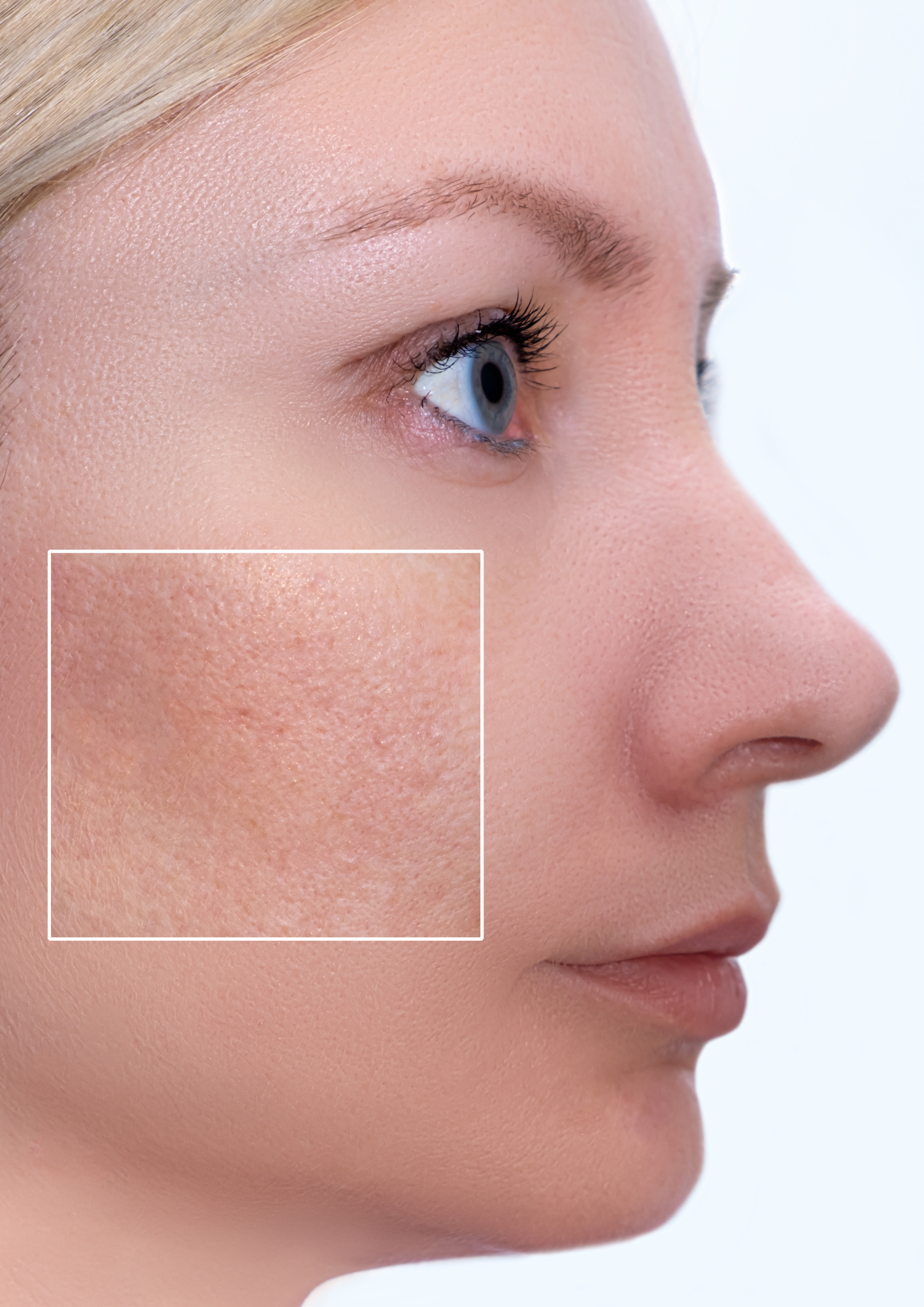
Open/Enlarged pores are the dilated opening of oil glands, concentrated mainly in the T-zone on your face, and a common side effect of oily skin. Sun exposure, acne and genetics also play a factor.
What Are Open Pores?
Pores are a natural part of the skin and play an important role in releasing sweat and oil. While you cannot permanently change the size of your pores, you can make them appear less noticeable by keeping the skin clear and reducing excess oil, dirt, and congestion.
Pore visibility is often influenced by genetics, skin type, and age. As we get older, the skin gradually loses collagen and elastin, which help keep it firm and supported. When the skin begins to lose this firmness, pores can appear more stretched and therefore look larger.
Types of Pores
There are two main types of pores in the skin:
Oil pores
These are connected to the sebaceous glands, which produce oil. They are found across most areas of the skin, except the palms of the hands and soles of the feet. These are the pores people usually refer to when talking about enlarged or visible pores.
Sweat pores
Sweat pores are found all over the body and are much smaller, so they are usually not visible. Their role is to release sweat to help regulate body temperature.
Signs of Open Pores
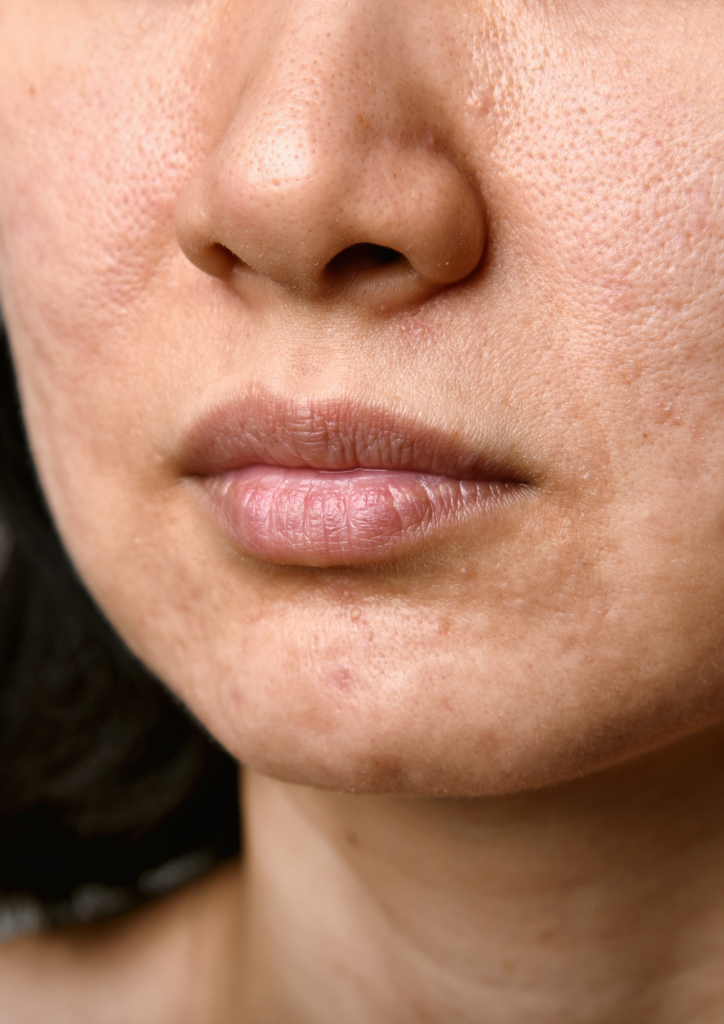
Open pores are usually most noticeable in areas where the skin produces more oil, especially across the forehead, nose, and chin. They can make the skin appear uneven in texture and may stand out more when clogged with oil, dead skin, or makeup.
You may be more likely to notice open pores if you have oily or combination skin, as excess oil can make them appear larger and more visible.
How to Identify Open Pores
Look closely at your skin
Examine areas such as the forehead, nose, and chin. Open pores often appear as visible dots or enlarged openings in the skin.
Check the skin texture
Gently run your fingers across the skin. If certain areas feel rough or uneven, particularly in the T-zone, this may be a sign of enlarged pores.
Notice excess oil
If your skin appears shiny or greasy, especially later in the day, pores in those areas may look more prominent.
What Makes Pores Look Larger?
Pores can appear more visible due to several factors, including:
- excess oil production
- build-up of dead skin cells
- congestion and blackheads
- loss of collagen and skin firmness
- genetics
- ageing
Keeping the skin clean, balanced, and properly treated can help minimise the appearance of pores and improve overall skin texture.