

Acne
Acne can be persistent and affect confidence as much as skin. The good news: modern, clinic-led treatments can target the root causes, reduce breakouts, and improve post-acne marks across all skin types.

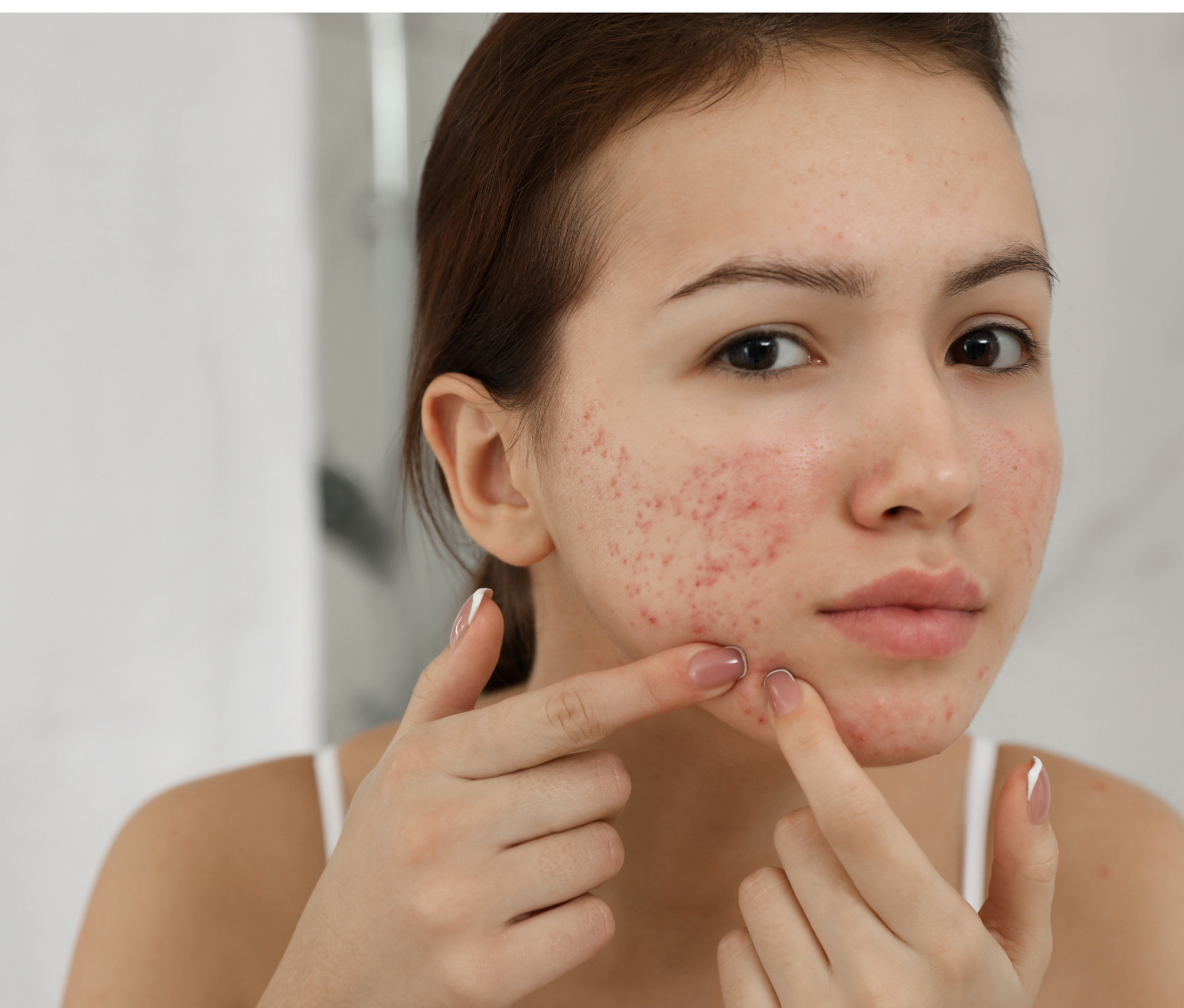
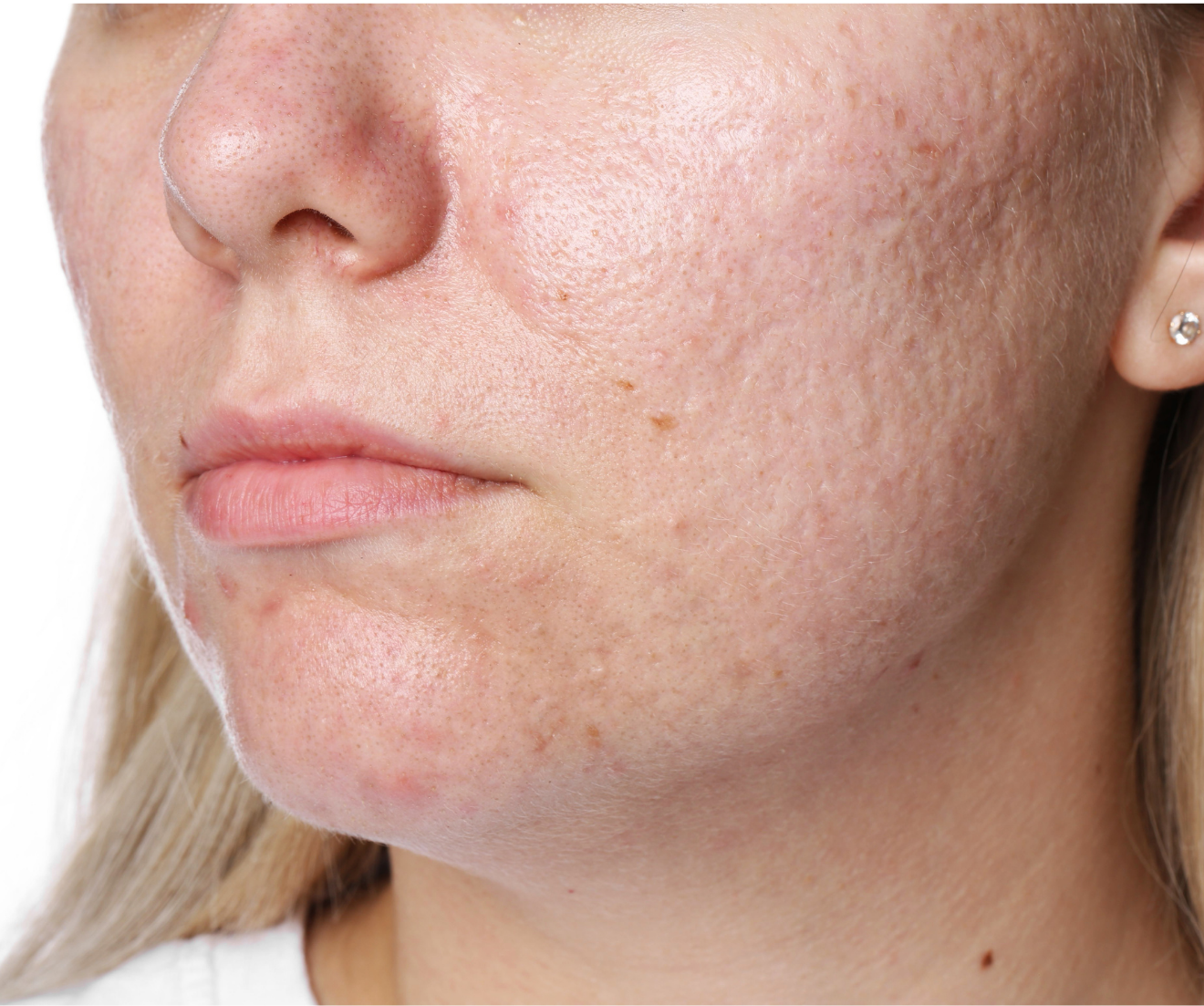
Acne: What Is It?
Acne is a very common skin condition that happens when pores become blocked and inflamed. It can show up as:
- Blackheads and whiteheads (comedones)
- Red, sore bumps (papules)
- Pus-filled spots (pustules)
- Deeper, painful breakouts (nodules and cysts)
Acne most commonly starts during puberty, but it’s not “just a teenage problem.” Many people experience acne into their 20s and beyond, and some develop it for the first time in their late 20s or adulthood.
Acne can range from a few occasional spots to more persistent breakouts that impact confidence and may lead to scarring if left untreated or picked.
Pigmentation can show up gradually, suddenly, or after inflammation or injury. And yes, it’s common. Annoyingly common.
What Causes Acne?
Acne usually develops from a combination of four key factors:
1) Excess Oil Production
Your sebaceous (oil) glands are influenced by hormones. In acne-prone skin, these glands can be extra sensitive, even when hormone levels are normal, leading to too much oil (sebum).
2) Blocked Pores
At the same time, the lining of the pore can become thicker and dead skin cells aren’t shed properly. Oil and dead skin build up and block the pore.
This is how blackheads and whiteheads form.
3) Bacterial Overgrowth
The bacteria linked with acne naturally lives on everyone’s skin. But when pores are clogged with oil, it creates the perfect environment for bacteria to multiply.
4) Inflammation
When bacteria and trapped oil irritate the skin, it triggers inflammation, causing redness, swelling, and sometimes pus-filled breakouts.
Acne Scarring: Why Does It Happen?
Acne can leave behind marks and scars, especially when breakouts are deep (like nodules and cysts) or if spots are squeezed, picked, or repeatedly inflamed.
There are two main outcomes:
1) Scars (Texture Changes)
Scars form when the skin’s deeper layers are damaged and the body produces collagen to heal.
- Indented scars (atrophic/pitted): most common, appear as dips in the skin
- Raised scars (hypertrophic/keloid): thicker, lumpy scars that sit above the skin
Scarring is more likely in moderate to severe acne, and research commonly reports it affects a significant portion of those cases.
2) Post-Acne Marks (Colour Changes)
Even after acne heals, it can leave temporary discolouration, including:
- Red or pink marks (post-inflammatory erythema)
- Brown marks (post-inflammatory hyperpigmentation)
- Lighter patches (hypopigmentation)
These are not true scars, but they can linger for weeks or months without the right treatment plan and sun protection.
Scar Revision
“Scarring” refers to a fibrous healing process where new collagen forms after deeper skin injury. Acne scarring can be improved with targeted treatments designed to smooth texture, stimulate collagen, and reduce discolouration.
Post-inflammatory colour changes are also common after inflamed spots heal, and can usually be treated alongside active acne and scarring for clearer, more even-looking skin.
Treatments Include:
- VI Peel
- Sylfirm X
- Cool Laser
- Peptide
- Salicylic Acid
- Growth Factor
- Intracuticle
- Microneedling